The short answer
Most established businesses that feel ready for a rebrand have a Marketing Mismatch: the marketing undersells the business customers already know. Learn why your best customers chose you, fix the message first, and change the name or logo only for a real reason.
Most owners start thinking about a rebrand when something feels off. The business has grown. The team is better, the work is better and customers say great things. But the logo, the website and the ads still look like the company you were years ago, and you're a little embarrassed to send people to them.
So the idea of a rebrand shows up: a new logo, new colors, a new website, maybe even a new name.
Sometimes that's the right call. More often, the real problem isn't how the business looks. It's what the marketing says, and a new look won't change that on its own.
What does a rebrand actually include?
Owners use the word to mean very different things. For some it means a new logo. For others it means a new name, a new website and a new way of describing the company. Those are very different projects.
It helps to separate three layers:
- Identity: your name, logo, colors and fonts. How you look.
- Message: what you say about who you help, what you do and why people pick you. How you sound.
- Positioning: the place you hold in your customers' minds compared to their other options. Why you're the obvious choice for a certain kind of customer.
A full rebrand touches all three. Most established businesses that feel off have a problem in the second and third layers, not the first.
Why do established businesses feel like they need one?
Usually because of that mismatch. Your company grew up. Your marketing didn't.
You can see it in a few common signs:
- Customers tell you, "I had no idea you did that," or "You're so much better than your website."
- New leads ask about the cheapest option, while your best customers chose you for something else entirely.
- Your team describes the company one way, your website says another and your ads say a third.
- You hesitate before sending someone to your website.
These feel like brand problems, but a new logo doesn't fix any of them. Customers don't choose you because of your logo. They choose you because of what they believe you'll do for them, and whether you feel like a fit. Your best customers already have that belief, usually from meeting you, talking with your team or seeing the work up close.
A stranger doesn't. When someone new looks you up, they can't feel the reputation you've earned in the room. They only have the words, the proof and the sense of fit they can get from your marketing. If those don't match what your best customers already know, the new person either leaves or asks about price, because price is the only thing they can compare.

The customer who says you're better than your website isn't reacting to your colors. They're telling you they had to meet you to understand you. Strangers don't get that chance. A new logo doesn't give it to them either. Clearer words and better proof do.
When does a business really need a full rebrand?
There are real reasons to change your name or your look. A few common ones:
- Your name is confusing, hard to say or easily mixed up with a competitor.
- You've changed what you sell so much that the name now points to the wrong thing.
- You've merged with another company or changed ownership, and the old identity no longer fits.
- Your logo and visuals are so dated or inconsistent that they make good work look careless.
- There's a legal reason, such as a trademark conflict.
If one of these is true, a new identity may be worth it. Even then, do the message work first. A new logo with the same unclear message is just a more expensive version of the same problem.
A new logo with the same unclear message is just a more expensive version of the same problem.
What should you fix before you change the logo?
Start by seeing your company the way your best customers do. Pick five to ten customers you'd love to clone: the ones who were a great fit, valued your work and sent others your way. Ask them:
- What was going on when you first reached out to us?
- What made you choose us over the other options?
- What would you tell a friend about us?
- What almost stopped you from hiring us?
Write down their exact words. You'll usually hear the same few reasons, and they're rarely what your marketing leads with. Those answers are the beliefs that already help people choose you. Your marketing's job is to give a stranger the same reasons, before they ever meet you. If you're not sure who those customers are, start with how to build an ideal customer profile you can actually use.
Then make the marketing match, in this order:
- The message. Rewrite the first line of your website, your profiles and your ads around the reasons your best customers gave you, in their words.
- The proof. Put reviews and stories from your best-fit customers next to the claims they back up.
- The offer. Make sure what you sell, and how you describe it, fits the customer you want more of.
- The website. Make it easy for a stranger to tell what you do, who it's for and why people pick you. If it undersells you today, read why your website doesn't match your reputation.
- The look. Only now decide whether your identity is holding the message back. If it is, you'll hand a designer a clear brief instead of a vague request for "something more modern."
The message work is often all a business needs. When it isn't, it makes the rebrand faster and better, because everyone knows what the new look has to say.
What does this look like in an actual business?
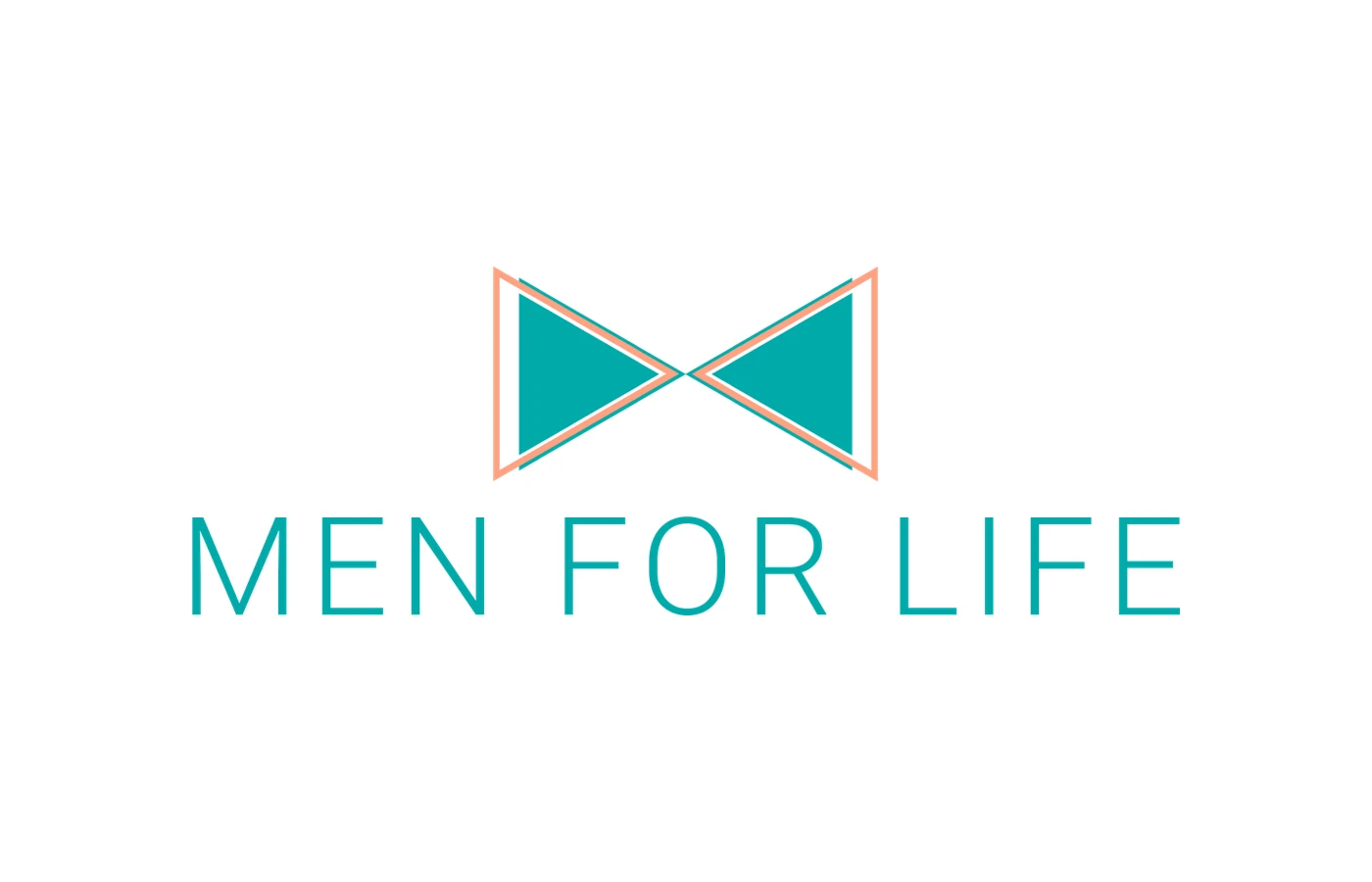
I did this work with Men for Life, a movement that exists to equip men to speak boldly and stand confidently for life, family and faith. The mission was already bold. The brand was not. The old logo was polite and easy to overlook, a passive mark for a cause that asks men to take a stand.
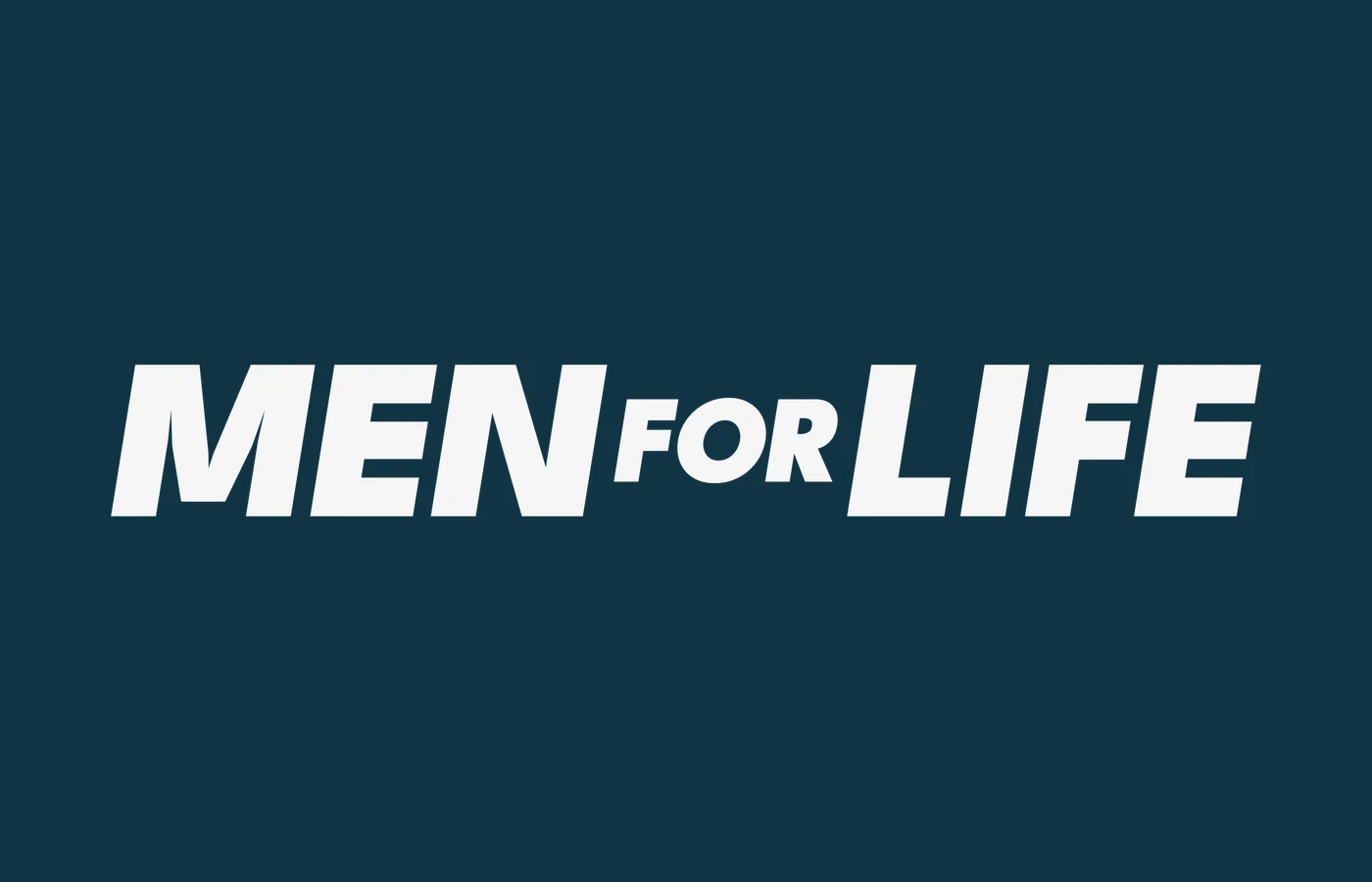
The work started with the logo and the rebrand: take the brand from passive to bold. The new mark is heavy, direct and hard to miss. It looks like the movement, not like a soft stand-in for it.
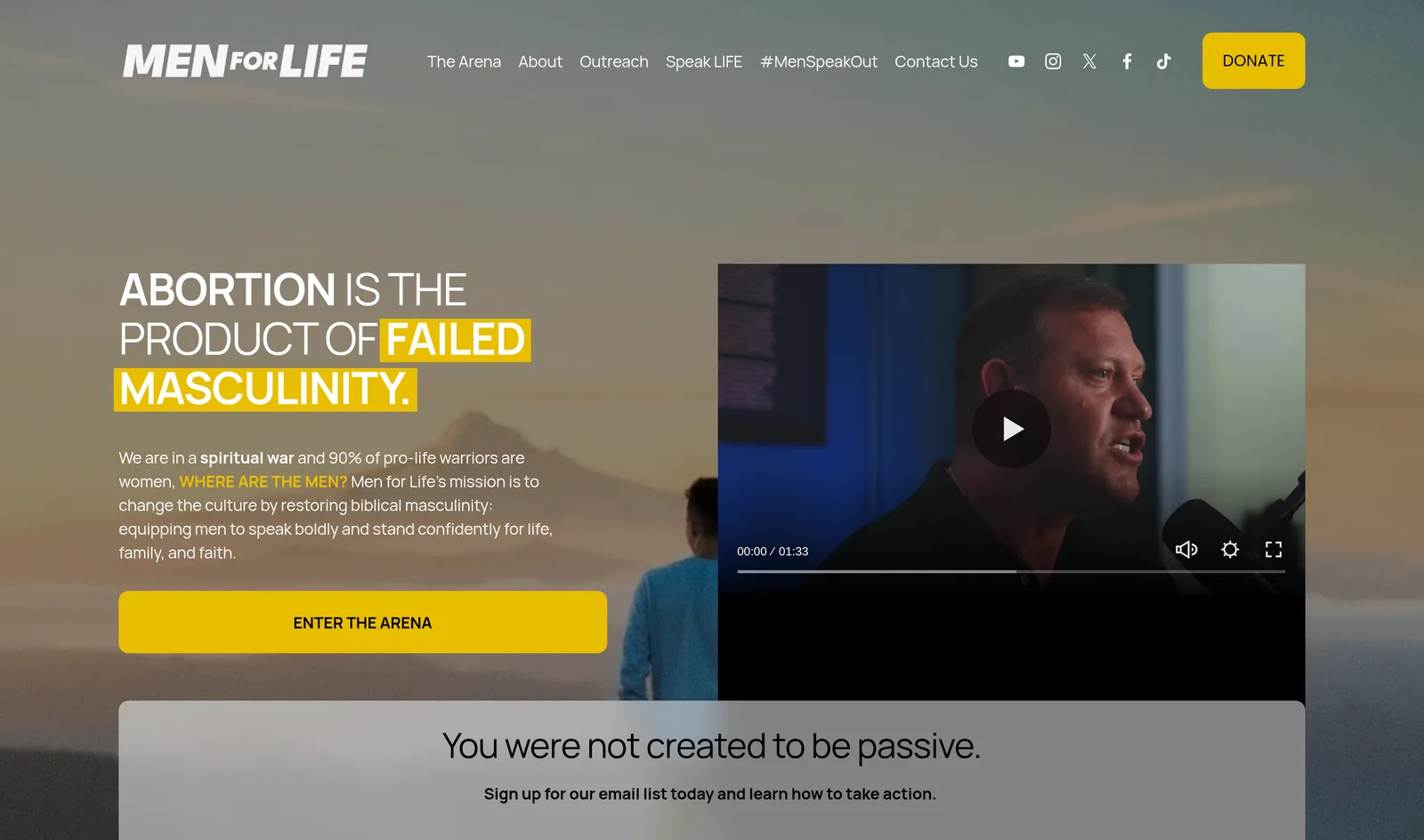
That bold direction then trickled down through everything else. The website, the video, the Men for Life Creed at creed.menforlife.org, and the donor follow-up that keeps a first commitment from being the end of the relationship all followed the new brand, instead of trying to set the direction on their own.
Before
Passive
After
Bold
How the bold rebrand trickled down
- 01The logoFrom passive to bold
- 02The messageSharper and more direct
- 03The websiteBuilt in the new direction
- 04The videoShot to match the brand
- 05Creed and follow-upThe app and the follow-up
With Patriot Development, a remodeler I worked with, we settled the positioning first. The rebrand, the copy and the website came after, and the company's margins nearly doubled.
You can see the pattern in a typical local business too. Picture a family-owned furniture store with a loyal customer base. The owner feels the brand looks tired and gets a quote for a new name and logo. Before signing, she calls eight longtime customers. Nearly every one mentions the staff who helped them choose what would actually fit their home and stood behind it after delivery. Not one of them brings up price. Meanwhile, her ads lead with "Huge selection, low prices." She keeps the name customers already trust, changes what the marketing says, and only then has a designer clean up the logo and colors. The store finally looks and sounds like the one customers already recommend, without starting over.
Will a rebrand bring in more customers?
Not by itself. A new look can make a strong message easier to notice, but it can't create a message that isn't there. Customers choose you because of what they believe you'll do for them. If your marketing doesn't tell them, a better logo just makes the silence look nicer.
What changes results is closing the gap between the business you've built and the way your marketing presents it. Your company earned its reputation. Your marketing should match it.
What changes results is closing the gap between the business you've built and the way your marketing presents it.
Where should you start?
Before you spend money on a rebrand, start with the free Marketing Mismatch Diagnostic. It shows where your message, proof, offer, website and follow-up undersell the business your customers already know, so you can see whether you need a new look or a clearer message.
If you'd rather work through it together, a $497 Strategy Call is a 90-minute call where we look at why your best customers chose you and name the first change that helps everyone else see the same thing.
What else do owners ask?
How do I know if my business needs a rebrand?
Look at what's actually wrong. If your name causes confusion, no longer fits what you sell or has a legal problem, a new identity may be needed. If customers say you're better than your marketing, the bigger problem is usually your message, not your logo.
What is the difference between a rebrand and a refresh?
A refresh updates how you look, such as cleaning up a logo, colors or fonts, while keeping your name and the recognition you've built. A rebrand changes more of the identity, sometimes including the name. Many established businesses need a clearer message and, at most, a refresh.
Should I change my business name?
Only with a strong reason, such as confusion, a big change in what you sell or a legal conflict. An established name carries the recognition and trust you've earned. Changing it means rebuilding that recognition, so make sure the payoff is worth it.
Which should come first, the message or the logo?
The message. Your logo and visuals should express what makes you the right choice, and you can't design that until you know what it is.
Will my customers notice if I rebrand?
Customers will notice a new name or logo, so tell them what's changing and what isn't. A message change is quieter. Most customers will simply recognize the business they already know when they read your website.