Ten practical fixes for the gap between how good your business is and what customers see. Start with the first three. Use the examples, share the checklist with your team, and come back as you make progress.
The ten fixes
Start with the first three. Then keep going.
Start here1
Write down the person, not just the industry.
Complete: "We are speaking to a [role] who is trying to [goal], is frustrated by [specific obstacle], and needs to feel confident that [decision concern]." A school is an organization. The person trying to explain a website change to the board has a particular job, pressure, and decision to make. Use actual conversations to complete the sentence, not a made-up persona biography. Your finished item is one sentence the team can use.
Open your website and read the first headline aloud. Does it tell the visitor what you do for someone like them, or only how you describe your company? Draft a second version.
Illustration
Teaching example: replace "Comprehensive business solutions" with "Your team is busy. Let's find where the marketing and follow-up are losing people." This is an example, not a tested universal headline.
Your finished item is one clear customer-facing sentence and one next step.
Real example: Jordan's work
Glad Tidings Preschool, Lake Charles, LA: website, photography and video by Jordan. The opening starts with the parent's situation: Choosing the right preschool is a pivotal decision..., then a "Book Your Tour" next step. See the site
La Petite Maisons: website strategy and design by Jordan. The headline speaks to a specific person: Give your team a place they actually want to stay, with For HR teams, it's hard to find reliable, comfortable housing for traveling employees...See the site
Shown as examples of Jordan's work, not as results.
Start here3
Give the photo shoot a P.I.E. brief.
People: the real people the customer will meet. Interactions: people doing the work or helping someone. Environment: the spaces, details, and setting that make the experience understandable. Ask for useful horizontal and vertical compositions, permission for intended uses, and space for copy where needed. Jordan discussed building a set of 30 to 50 fresh photos. Treat that as a planning idea, not a requirement for every business. Your finished item is a shot list a photographer or team member can actually use.
Pick one concern: "Will they understand our situation?" "What happens after we contact them?" "Can they handle work like ours?" Match it to an approved example, demonstration, process explanation, or genuine testimonial. Do not make a testimonial say something the client did not say. Your finished item is a concern-to-proof pair, not a wall of logos.
Real example: Jordan's work
Concern: "Will they understand our situation?"
"Ashlyn": a parent testimonial film Jordan made for Glad Tidings Preschool. Watch on Vimeo
Real example: Jordan's work
Concern: "Can they handle work like ours?"
Lake Tool & Hydraulic: a hydraulic motor opened up on the workbench.
A marketing film Jordan made for Lake Tool & Hydraulic, an industrial business. Watch on Vimeo
5
Give each content piece one useful job.
Choose one audience, one problem, one fix, and one next step. A photo tip can lead to the photo checklist. A messaging example can lead to the customer-message worksheet. Do not send every viewer to an unrelated general homepage. Your finished item is a content-to-resource pair with a tested link.
6
Make the next step understandable.
Explain what happens after clicking. "Book a call" can be followed by a plain explanation of what the call covers and who it is for. Remove conflicting actions when they do not serve the visitor's current decision. Your finished item is a primary action with an honest expectation, not a guarantee of a sale.
7
Test the path like a customer.
Use your phone, tap through the page, submit a test inquiry, check the response, and try the booking link. Record friction instead of assuming the page works because it looks good. Use a test identity and do not create real charges. Your finished item is a short issue list with an owner for each fix.
8
Read the first follow-up.
Does it acknowledge why the person reached out? Does it explain the next step? Does someone know who owns the conversation?
Illustration
A helpful opening can be: "You mentioned that [their issue]. What is happening now, and what have you already tried?"
Your finished item is an approved response template plus an assigned human owner for exceptions.
9
Give the team a one-page brief.
Use five headings: who this is for; the problem we are addressing; the example/proof; the next step; and who owns the work. A capable employee should not have to reconstruct the strategy every time a flyer, page, or video is requested. Your finished item is a shareable brief leadership can react to.
Compare your starting position with observed inquiries, applications, attended calls, sales, or another outcome appropriate to the change. Small samples are learning, not proof of causality. Note what you changed, what you observed, and what remains uncertain. Improving one part may reveal a problem later in the process. Your finished item is a dated review and one next priority.
Examples of Jordan's work
Real work from Jordan's portfolio. They show what the work looks like, not results.
Jordan's work
Glad Tidings Preschool website
Website, photography and video by Jordan for Glad Tidings Preschool in Lake Charles, LA. Parent-situation opening and a clear tour next step. Fits fixes 2 and 6.
Website strategy and design by Jordan for La Petite Maisons, an executive-housing business. Headline written around a specific person (HR teams), not an industry. Fits fix 1, fix 2 and the CLEAR worksheet.
One box per fix. Share the checklist with whoever on your team helps with this. Your progress stays on this device only.
0 of 10 finished0%
Customer-message worksheet CLEAR
Get clear on the person you are trying to reach.
Fill it in using something a real customer has said to you. You do not need a made-up personality profile.
Step 1. The person, not the industry (Fix 1)
"We are speaking to a [role] who is trying to [goal], is frustrated by [specific obstacle], and needs to feel confident that [decision concern]."
Your customer sentence
Illustration
"We help schools with marketing" describes a service. "You are being asked to improve the website while parents want answers and the board wants to know where the money is going" describes a situation.
Real example: Jordan's work
La Petite Maisons (website strategy and design by Jordan) opens with a person and situation instead of an industry: For HR teams, it's hard to find reliable, comfortable housing for traveling employees...See the site
Step 2. Their situation in their words
Write: "You are trying to do this, but this keeps getting in the way."
Situation line
Step 3. Rewrite the first message (Fix 2)
Read your current first headline aloud. Then draft a second version around their situation, with one next step.
Photo plan PIE
Give your photographer a P.I.E. brief.
People, interactions, and environment. Tell the photographer what the pictures need to do and where they will be used.
P
People
The real people the customer will meet.
Glad Tidings Preschool: a headshot taken outdoors by the playground.
I
Interactions
People doing the work or helping someone.
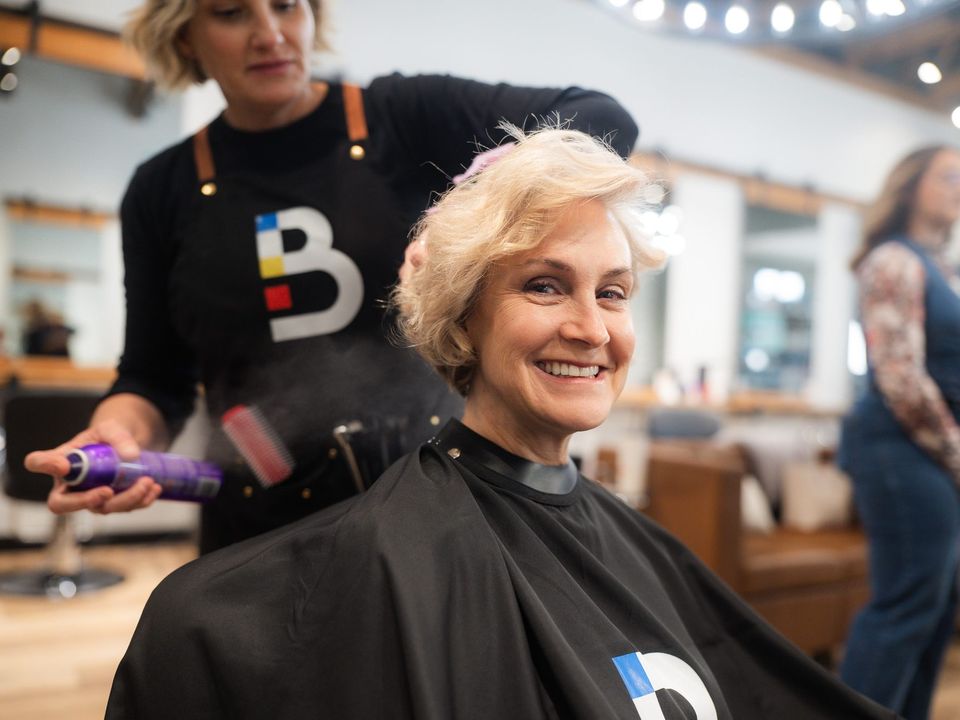
Bauhaus Salon: a stylist finishing a client's hair.
E
Environment
The spaces, details, and setting that make the experience understandable.
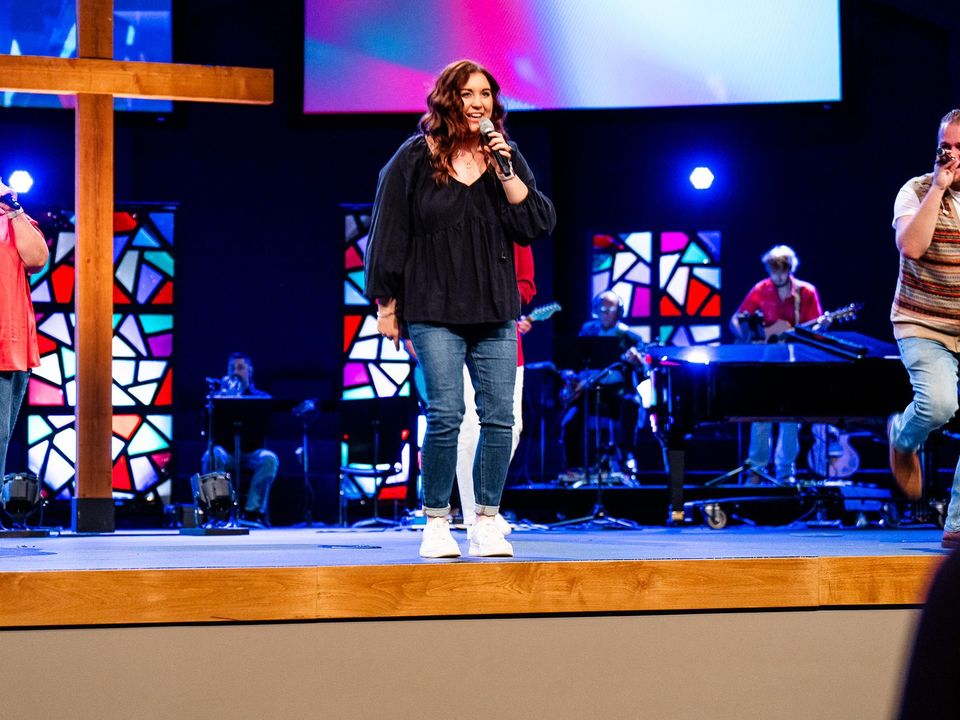
Glad Tidings Church: the stage on a Sunday, with the cross, stained glass and band.
Your shot brief
Your brief stays in this browser tab. The download is created on your device.
For the person approving the work TEAM
Share a one-page brief, not a vague request.
If you are the person who gets handed the website, the flyer, and the social post, fill this in and send it to the person approving the work. Get agreement before anyone starts designing.
Shareable summary
Quick-Fix Review
Want me to look at it with you?
If you've worked through a few fixes and want an outside opinion, I do a one-hour Quick-Fix Review. I go through your website the way a new customer would, record a walkthrough, and send you the five fixes I'd make first, in order, plus a 15-minute call to go over it. $497, flat. I'll confirm it's a good fit before you pay.
Full refund if you're not satisfied, confirmed at the end of your review call. Once the call ends, the sale is final. If you get a refund, you keep the recording and the list. Please book your call within 14 days of getting your recording and list. You can reschedule once. If the call isn't booked within 14 days, or it's missed twice, the review is complete and the sale is final.
You can work through this with your team. And you do not have to figure out every part alone. I work with businesses that need another set of eyes on what is getting in the way, help choosing the right priorities, or support applying the changes. Tell me what you are working on below and we will see what makes sense.